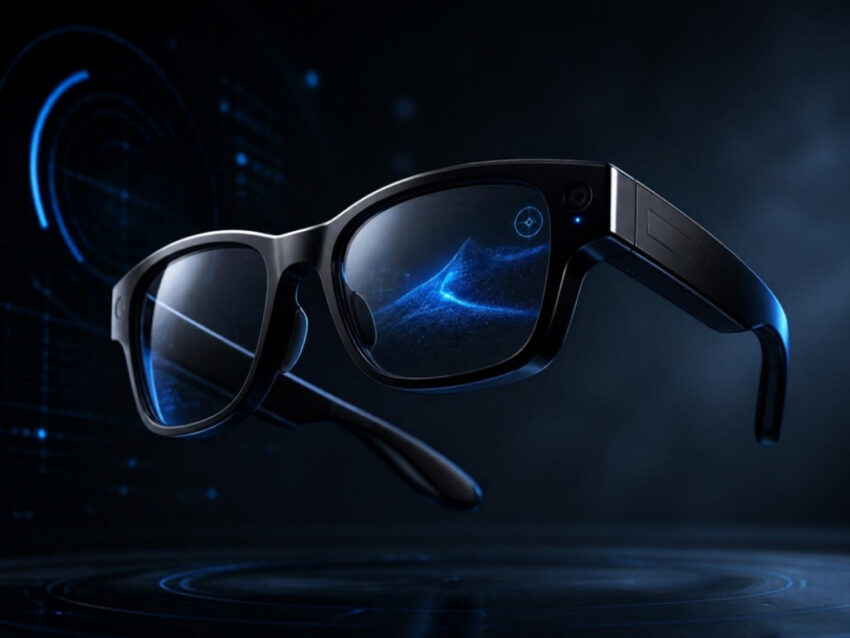
Meta’s smart glasses are about to get their biggest upgrade yet. The Ray-Ban Meta Gen 3, expected to be announced at Meta Connect 2026 in the coming weeks, is rumored to be the first pair with a built-in display, a massive camera jump, and battery life that finally lasts all day.
Here is everything we actually know, what is credible rumor, and what is still unconfirmed, so you can decide whether to wait or buy the current model now.
Ray-Ban Meta Gen 3 release date
Meta has not announced a date, but all signs point to Meta Connect 2026, the company’s annual hardware event, where the glasses are expected to headline. Reports from Bloomberg’s Mark Gurman and hands-on reporting from TechRadar’s Lance Ulanoff both describe a launch in the “next few weeks” as of late September 2026.
Meta’s track record supports this timing. The Gen 2 glasses launched alongside Meta Connect, and the company tends to announce wearables there before shipping in time for the holidays. If the pattern holds, expect an announcement within weeks and availability before the end of the year.
How much will the Ray-Ban Meta Gen 3 cost?
The honest answer: the price has not been announced, and anyone quoting you a number right now is guessing.
For context, the current Ray-Ban Meta Gen 2 sells for $379 to $519 depending on frame and lens options. The Gen 3 adds a display, a far better camera sensor, and new connectivity, which usually means a higher price. The Hypernova glasses Meta showed earlier, which also have a display, sit above the standard Ray-Ban line in pricing.
A reasonable expectation is a starting price somewhere above the Gen 2 range, but Meta has a history of aggressive pricing to grow adoption. We will update this article the moment official pricing is confirmed.
Every rumored feature, ranked by how credible it is
Built-in display (very likely)
This is the headline upgrade. The Gen 3 is widely reported to include a monocular display in the right lens, making it Meta’s first Ray-Ban with a screen. Expect glanceable notifications: incoming messages, turn-by-turn directions, and photo previews, without pulling out your phone.
Importantly, this is not a full augmented-reality headset. Think of it as a notification layer, similar in concept to what the Hypernova glasses demonstrated, but in a slimmer, more normal-looking frame.
5K or 6K video with a 60MP sensor (likely)
The camera is reportedly jumping from the Gen 2’s 12MP sensor to a 1/1.5-inch 60MP sensor capable of 5K or even 6K video recording. That is a serious leap, and it would make the Gen 3 genuinely useful for creators who shoot first-person video. The current 3K recording already looks good; this would be a different class of footage.
40-hour battery life with the case (likely)
Battery life has been the most common complaint about smart glasses, and Meta appears to be answering it. Reports point to up to 40 hours of total use with the charging case, a big step up from the Gen 2. If you wear glasses all day, this is the spec that matters most.
Wi-Fi 7 and IP68 rating (plausible)
Wi-Fi 7 would mean faster transfers of those huge 5K video files to your phone, and an IP68 dust and water resistance rating would make the glasses far more practical for workouts, rain, and travel. Neither is confirmed, but both fit the “no compromises” direction of the leaks.
Slimmer design (likely)
Despite packing in a display and bigger battery, the Gen 3 is described as sleeker than the Hypernova and close to the Gen 2’s normal-glasses look, with thinner temples. If Meta pulls that off, it removes the biggest social barrier to wearing smart glasses in public.
The neural wristband controller
One of the more interesting rumors: the display-equipped Gen 3 may pair with a smartwatch-style controller using a neural wristband with EMG (electromyography) sensors that read the electrical signals in your wrist to detect finger gestures. Meta has been developing this technology for years, and it would let you scroll through notifications and control the glasses with subtle hand movements.
No pricing has leaked for the band, and it is unclear whether it ships in the box or sells separately. Creators who already use wearables for health tracking may find the crossover interesting; we cover the current state of wrist-based tech in our guide to using a smartwatch for heart health monitoring.
Gen 3 vs Gen 2: what changes
| Feature | Gen 2 | Gen 3 (rumored) |
|---|---|---|
| Display | None | Monocular display, right lens |
| Camera | 12MP, 3K video | 60MP sensor, 5K/6K video |
| Battery (with case) | Up to 36 hours | Up to 40 hours |
| Connectivity | Wi-Fi 6 | Wi-Fi 7 (rumored) |
| Water resistance | IPX4 | IP68 (rumored) |
| Price | $379-$519 | Not announced |
Should you wait for Gen 3 or buy Gen 2 now?
It depends on what you want the glasses for. If the display, the camera upgrade, or all-day battery matter to you, waiting a few weeks for the official announcement costs nothing. Meta Connect is close enough that buying Gen 2 today risks immediate regret.
If you just want the current experience at the lowest price, watch for Gen 2 discounts once the Gen 3 is announced. Retailers almost always clear inventory, and the Gen 2 remains excellent at capturing first-person video for creators. Our guide to creating faceless videos with AI tools pairs well with either generation if you are building a content workflow around them.
Frequently asked questions
When is the Ray-Ban Meta Gen 3 coming out?
No official date yet, but it is expected to be announced at Meta Connect 2026 in the coming weeks, with availability likely before the end of the year.
How much will the Ray-Ban Meta Gen 3 cost?
Pricing has not been announced. The Gen 2 costs $379 to $519, and the Gen 3 is expected to start higher given the display and camera upgrades.
Will the Ray-Ban Meta Gen 3 have a display?
According to multiple reports, yes. A small display in the right lens will show notifications, messages, directions, and photo previews.
Does it need the neural wristband to work?
Probably not for basic use. The wristband is expected to be an optional controller for navigating the display with hand gestures, similar to how the Hypernova glasses work.
Is the Gen 3 worth waiting for over the Gen 2?
If you want a display, dramatically better video, or longer battery life, yes, wait for the announcement. If you want the cheapest entry point, Gen 2 prices should drop once Gen 3 launches.
1 thought on “Ray-Ban Meta Gen 3: Price, Release Date, and Every Rumored Feature”